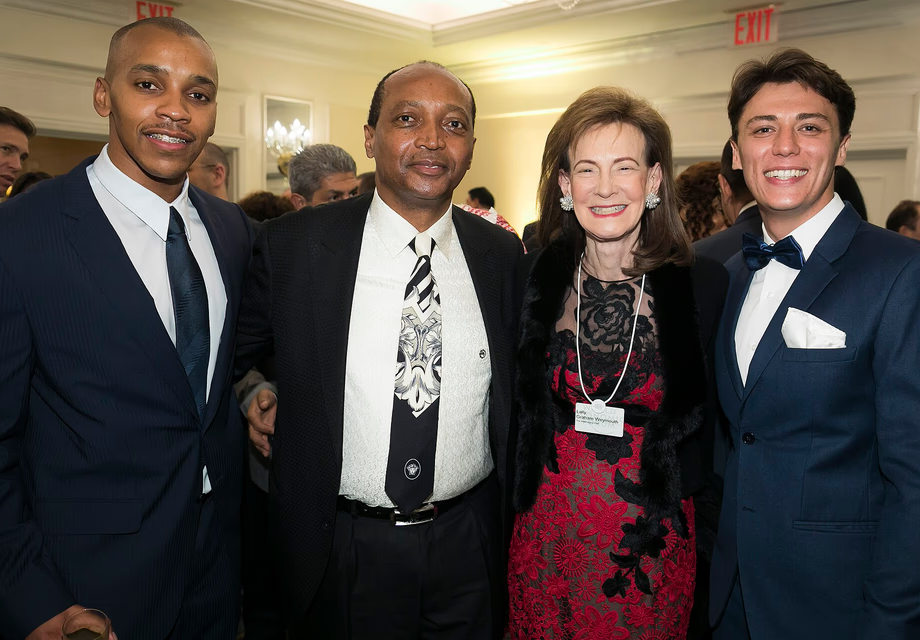
Jeff Katz was Prince's personal photographer, a role that placed him inside the working life of one of the most visually deliberate artists in the history of popular music. The images that came out of those years are not simply documentation. They are the product of two people making decisions about a single frame.
What makes the arrangement worth studying is that Prince was never a passive subject. He treated his presentation as part of the work, and the photographs reflect a collaboration rather than a sitting.
The Artist as Collaborator
Prince controlled his image with the thoroughness of someone who understood it as an instrument: the stage design, the lighting, the wardrobe, the sleeve art, the deliberate scarcity of interviews. He brought ideas and references to a shoot rather than waiting to be positioned.
For photographers, the practical question is what that changes. When a subject arrives with their own visual sensibility, the photographer's role shifts from directing to interpreting. The job becomes selecting, from among the possibilities the subject generates, the ones that mean something, and arranging the light and framing so that they read. That is a more interesting job than posing someone, and considerably harder, because it requires a point of view rather than a technique.
The specific behaviours that make such a collaboration work are worth naming, since they apply to any subject with strong views about their own appearance.
Ask what they want to avoid. Most people who care about their image know exactly which angles and expressions they dislike. Getting that information at the start saves the session.
Show options rather than instructions. "Which of these two do you prefer?" is more productive than "turn your chin left", because it treats the subject as a decision-maker.
Keep your own idea in reserve. A collaboration works best when the photographer contributes something the subject had not considered, but it should be offered rather than imposed.
Photograph the deliberateness. If a subject is composing themselves, the composition is part of the subject. Photograph the decision, not only the result.
Do not chase the image they already have. The useful work is adjacent to the known image, not a repeat of it.
Earning Access to Genius
Katz's position did not arrive through an application. It was built over years through demonstrated trustworthiness, discretion and creative compatibility, and it is the clearest available example of how access to a private, high-profile subject actually works.
The practical sequence is worth spelling out, because photographers tend to think access is a matter of portfolio strength.
Start with the smaller room. Working with someone at the beginning of their career, or in a support role on a production, is how the relationship begins. Nobody is hired into the inner circle of an artist at the peak of their fame.
Be reliable before being brilliant. The person making the hiring decision is worried about risk. A photographer who delivers on time, keeps quiet and creates no problems is a smaller risk than one who is more talented and less predictable.
Make the subject's life easier. Being able to work in an awkward space, in bad light, in a hurry, with no fuss, is a professional skill that gets remembered.
Never create a problem. Every photographer working with a famous subject is one careless publication away from the end of the relationship. The people who last are the ones whose discretion is not in question.
Stay for years. Access compounds. A photographer who has been present for five years sees things that a newcomer on the best assignment in the world will not.
The Weight of the Archive
One dimension of this work is easy to overlook while it is being made: the images become part of the subject's visual legacy.
An artist's photographic record is what a future audience will use to understand who they were, and the photographer participates in constructing it. That produces a responsibility that is not obvious in the moment. The choice of which images to make available, which moments to keep private and how the body of work is sequenced will shape the historical account as much as any review or biography.
The practical guidance that follows is uncompromising about quality control. Keep everything, publish a small portion, and think about the archive in decades rather than in deliveries. For a subject who will be studied, the unpublished frames are as much a part of the legacy as the published ones.
Practical Tips
- Treat high-profile subjects as creative collaborators rather than passive objects.
- Earn trust through years of discretion and reliability, not through pitches.
- Understand that your images may become your subject's visual legacy.
- The best access is earned rather than requested, and it starts in smaller rooms.
- Ask what a subject wants to avoid before you begin.
- Show options rather than giving instructions.
- Work in difficult conditions without making them a problem.
- Keep everything, publish little, and think of the archive in decades.
Further Reading
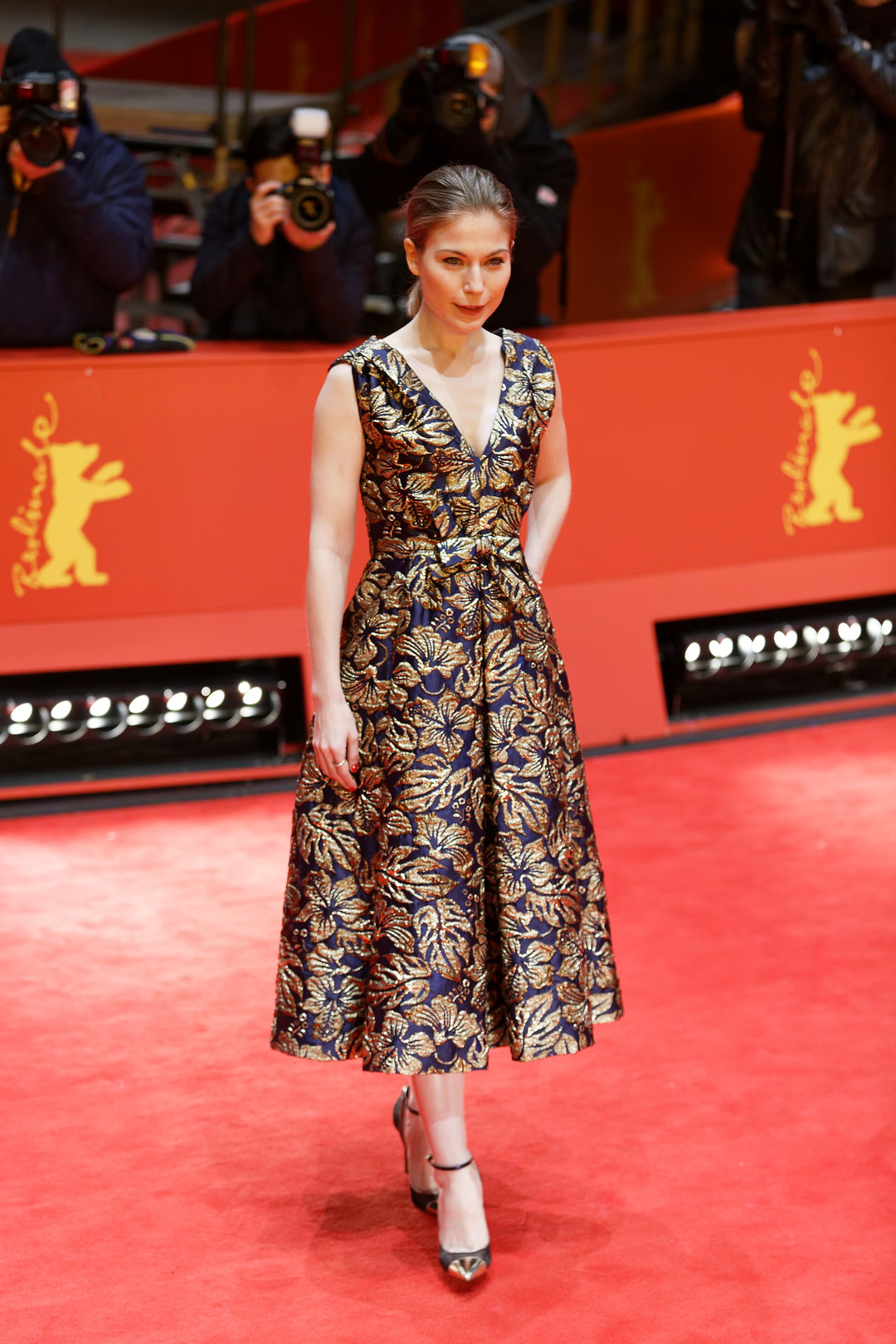
- red carpet looks through the decades
- striking red carpet looks from Toronto
- old Hollywood glamour at the Venice Film Festival
Conclusion
Jeff Katz's time photographing Prince is a case study in what a photographer can contribute to a subject who already knows what they are doing. The work involved interpretation rather than direction, and the access involved years of reliability rather than a strong portfolio.
The two lessons are connected. Trust is what gets a photographer into the room, and a point of view is what makes the images worth having once they are there. Neither can be purchased, and both accumulate the same way: by working consistently, in smaller rooms, for a long time.
FAQ
How did Jeff Katz become Prince's personal photographer?
He earned the position over years through demonstrated trustworthiness, discretion and creative compatibility. The relationship was built rather than applied for, which is how access to private, high-profile subjects generally works.
How can I photograph high-profile subjects?
Build relationships through smaller assignments over time, demonstrate discretion, and develop a portfolio that shows personality rather than appearance. Trustworthiness is the asset that decides whether you are invited back.
What changes when the subject has their own visual ideas?
The photographer's role shifts from directing to interpreting: generating possibilities, selecting the ones that mean something, and lighting them so that they read. That requires a point of view as well as technical ability.
Why is discretion so important?
Because access is lost permanently through a single careless publication. Photographers who remain welcome in private rooms are the ones whose judgement about what does not leave the drive is not in question.
Do I need to work with famous people for this to matter?
No. The same dynamics govern every long-term photographic relationship: a wedding group, a family, a small band, a company. Reliability, discretion and a point of view produce the same results at any scale.
What is the hardest part of this kind of work?
Accepting that the subject is a collaborator rather than a model, and that the archive will outlive the assignment. Both require treating the images as someone else's legacy as well as your own work.