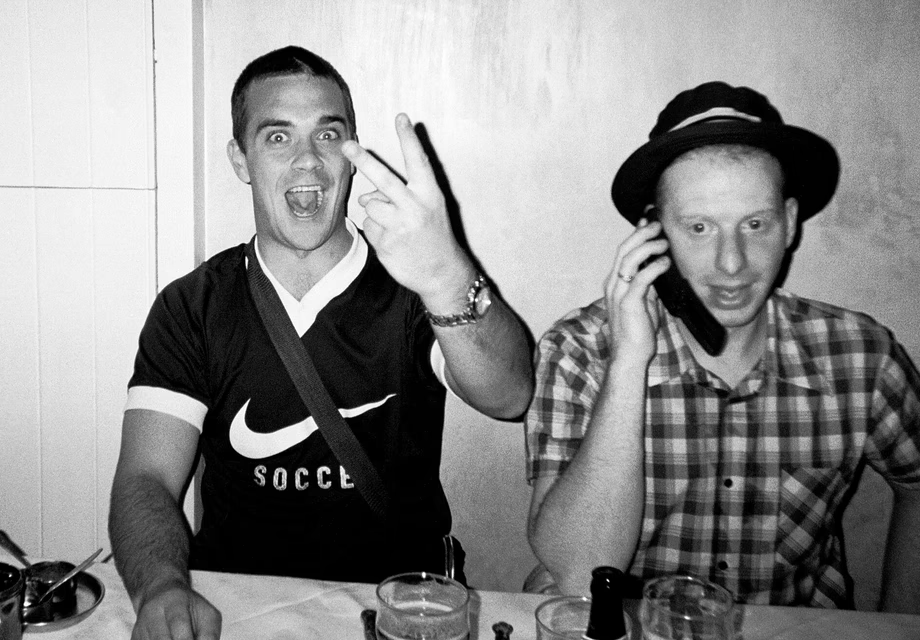
Dave Benett has spent four decades photographing the most recognisable faces in British and international culture, from Kate Moss to members of the royal family to the steady flow of actors, musicians and artists passing through London's parties and openings. Asked by Vogue to talk about his favourite images, what he described was less a photographic technique than a way of working: longevity, discretion, and being present at the right moment, repeatedly, for forty years.
The Long Game of Access
Benett's position as the photographer invited to the rooms where things happen was not established quickly. It accumulated across decades, one event and one relationship at a time, and the mechanism is worth describing precisely because it is unfashionable.
In a period when anyone with a phone can produce an acceptable photograph of a famous person, the skill that matters is not the ability to make an image. It is the ability to be the person who is asked back. That is a relational skill, and it takes years to build and seconds to lose.
The specific components of it are consistent across photographers who have lasted.
Being expected. Event organisers and publicists build lists of photographers who can be relied on to behave, deliver and file on time, and those lists are short because reliability is rare.
Being easy to work with. Working quickly in bad light, in a crowd, without displacing guests or staff, is a professional virtue that gets discussed between the people who do the inviting.
Delivering what was promised. Files delivered on time, correctly named, with proper captions, form part of the reputation. Photographers lose access through administration more often than through bad pictures.
Not needing to be told. The photographer who understands the boundaries of an event without having them explained is the one who is trusted at events where the boundaries are informal.
Being there for years. A career of four decades is not forty years of the same behaviour; it is an ongoing relationship with an industry, and it survives changes of editors, venues and fashions.
Discretion as a Professional Superpower
The distinguishing feature of this kind of career is that it operates with permission rather than against it.
The distinction is not merely ethical, though it is that as well. It is commercial. A photographer who is invited into a room has access to moments that no amount of waiting outside a building can reach: the conversations, the arrivals, the moments of relaxation between public appearances. The photographs that come from those situations are of a different order from anything obtainable by pursuit.
What discretion looks like in practice is unglamorous and specific.
Photograph what was invited. If a subject has agreed to be photographed at an event, that agreement covers the event. It does not cover the walk to the car afterwards, and it does not extend to a private dinner.
Ask the publicist, quickly. A single short question about who may be photographed resolves most situations before they become problems.
Do not publish the frame that costs someone their evening. A picture of a person in a bad moment is worth a fraction of the access it destroys, and the arithmetic is not close.
Treat everyone at the same standard. The guest who is not famous is as likely to be a decision-maker as the person at the centre of the frame. Courtesy is professionally rational.
Keep the archive. Four decades of images constitute a record of a culture, and the value of the archive is precisely that it was made with consent.
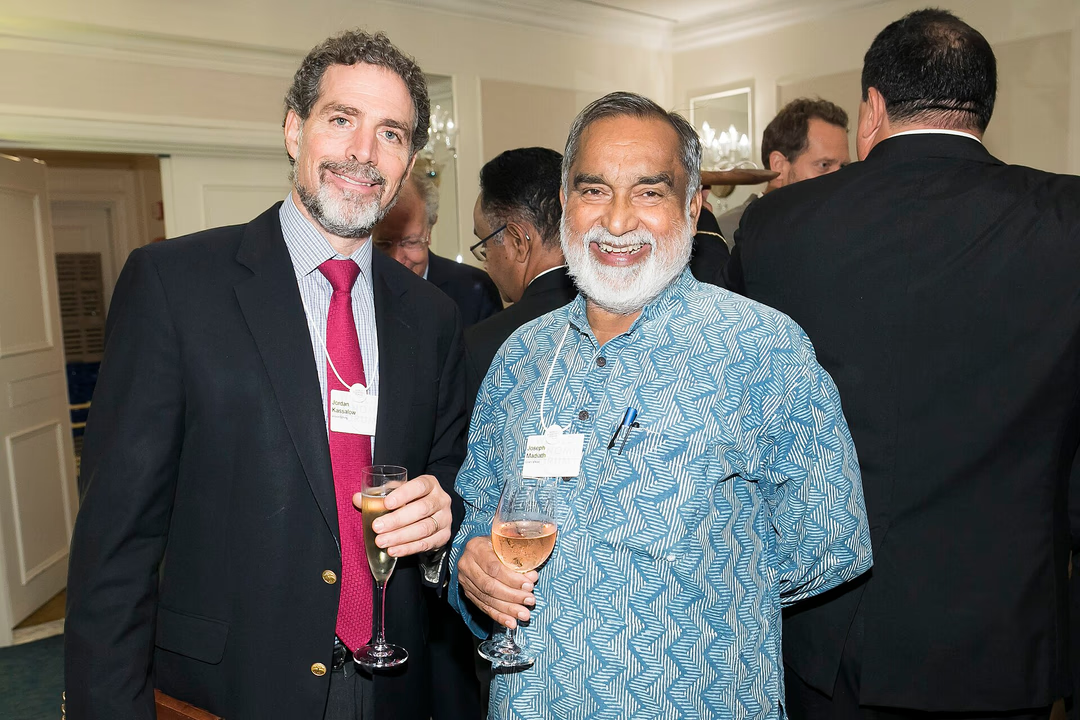
The Photograph as Time Capsule
Looking across forty years of Benett's work, the archive functions as a visual history of celebrity culture: the analog elegance of the 1980s, the grunge years of the 1990s, the digital transition of the 2000s and the saturation of the present.
Each image preserves not only how a person looked but how a period felt, and that is a function of ordinary photographic decisions rather than a documentary intention. The clothing, the hair, the interiors, the lighting style and the way people were permitted to look in a photograph all date a frame precisely.
For a photographer working now on anything, the lesson is that this value accumulates whether or not it is intended, provided the negatives or files survive.
Keep the whole session, not the selection. The published frame is one decision out of hundreds, and the unpublished material shows a period as it actually was.
Record the context. Who, what, where, when. An unlabelled image becomes anonymous within a generation, and the archive's value depends on its captions.
Photograph the room as well as the person. Interiors, décor, signage and lighting are the evidence of a period's visual culture, and they are what makes an archive legible to a later viewer.
Store it properly. Multiple copies, current formats and a file structure that a stranger could navigate. An archive on a failing drive is not an archive.
Revisit it. The pictures that seem unremarkable now are the ones a curator will want in thirty years.
Practical Tips
- Build trust over decades rather than days. Access is earned, not taken.
- Be invited rather than invasive. The distinction between a photographer and a paparazzo is the whole career.
- Treat every subject with respect, regardless of their level of fame.
- Ask permission quickly when the situation is ambiguous. The question itself builds trust.
- Deliver files on time and properly labelled. Administration is part of the reputation.
- Your archive is your legacy. Every image matters in the long run, including the ordinary ones.
- Longevity comes from relationships rather than talent alone.
- Keep the negatives, the files and the captions. The historical value depends on all three.
Further Reading
- red carpet looks through the decades
- all the stars on the London front row
- a royal look that made the news
Conclusion
Dave Benett's forty years of celebrity photography are a demonstration that access is a career rather than a credential. His advantage was never a technique that other photographers could not learn. It was a reputation, built slowly, for being the person who could be relied upon in a room full of people who did not want their evening ruined.
The lesson transfers to any photographic career: choose the invited path rather than the intrusive one, behave in a way that gets you asked back, treat everyone as though they matter, keep everything, and let the years do the compounding. Forty years is not an unusually long career in photography. It is what happens when the relationships hold.
FAQ
How did Dave Benett build his career?
Through four decades of consistent, professional work. He built relationships with celebrities, publicists and event organisers one at a time, earning trust through discretion and reliability rather than through a single break.
What is the difference between a celebrity photographer and a paparazzo?
A celebrity photographer works by invitation, at events and in moments where photography is expected and welcomed. A paparazzo photographs people in situations they have not consented to. The first builds a career; the second builds a hustle.
How can I build a career in celebrity photography?
Start with smaller events and audiences, build relationships deliberately, be discreet, reliable and pleasant to work with, and deliver images that make subjects look good. Trust is the asset, and it takes years.
Does discretion actually pay?
Yes, and commercially rather than only morally. Invited photographers reach moments that pursuit cannot, and the photographs that come from those rooms are of a different order. The person who ruins an evening is not invited to the next one.
What makes an archive valuable?
Consent, context and survival. Images made with permission, labelled with names, dates and places, kept in current formats and copied in more than one location are the ones that become historically useful. Uncaptioned files on aging drives do not.
Is there still a career in event and party photography?
Yes, though the competitive field is wider than it was. What has changed is that the technical barrier has gone, which means the differentiator is access, and access still depends on relationships and behaviour rather than equipment.